Boosting Zambia’s Aquaculture: Ministry of Fisheries and NARDC Applaud Our High-Quality Fingerling Production
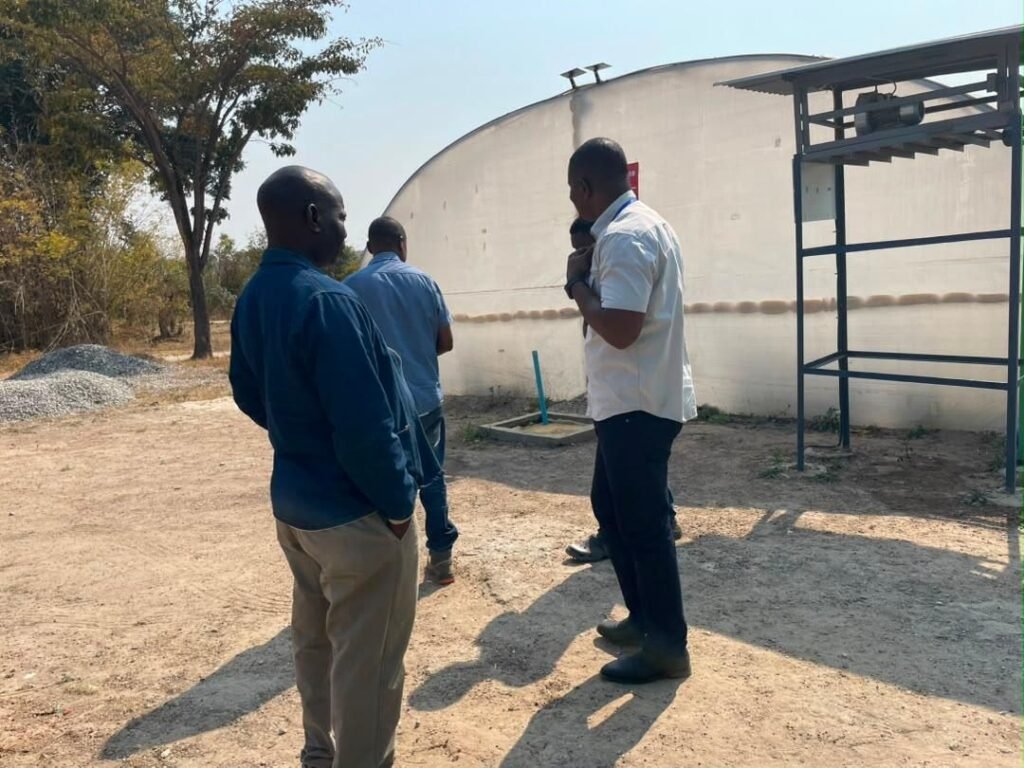
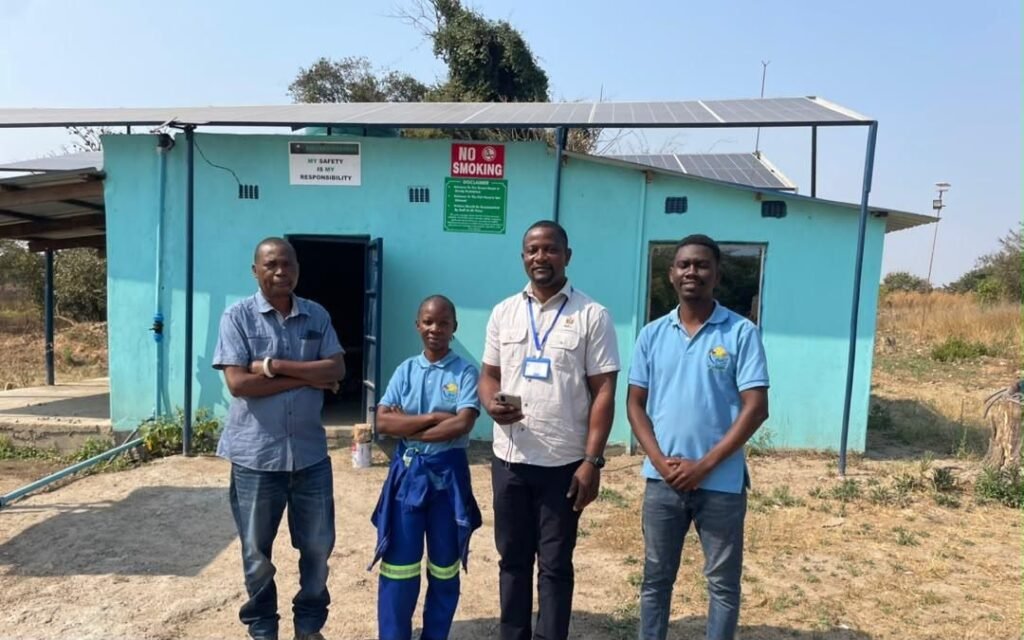
Sustainable fish farming starts with exceptional genetics and strict biosecurity. We were recently honored to host an official delegation from the Ministry of Fisheries and Livestock alongside the National Aquaculture Research and Development Center (NARDC).
The high-profile visit served to assess our hatchery operations, evaluate our intensive production practices, and review our ongoing contributions toward scaling up aquaculture development in Zambia through the supply of premium fish fingerlings.
Here is an inside look at the assessment, our verified production standards, and how we are empowering local fish farmers.
A Guided Tour of Our Advanced Aquaculture Facility
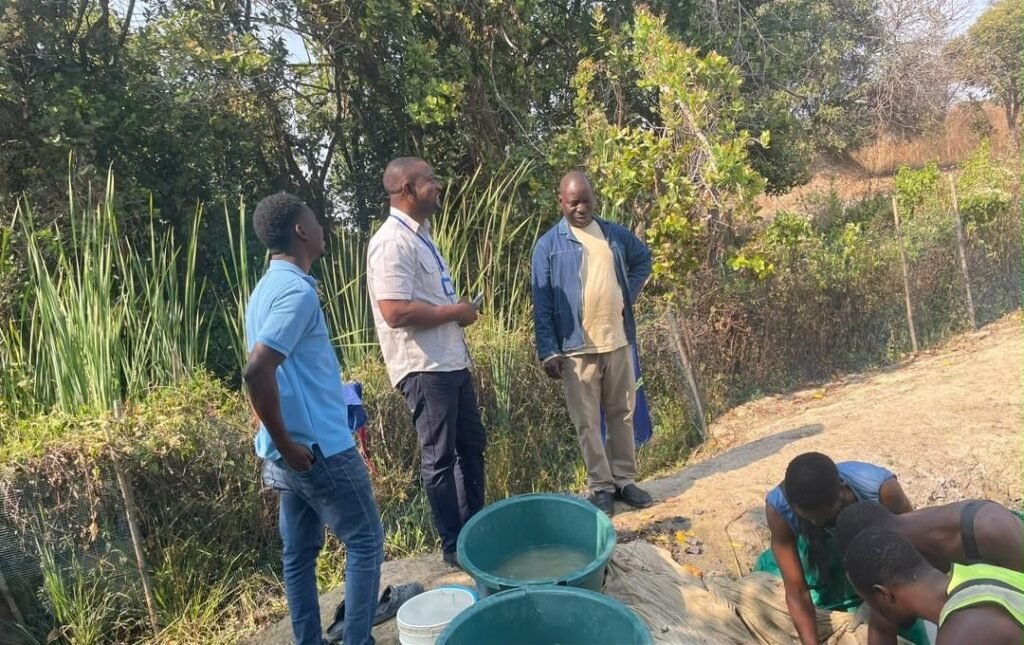
The ministry and NARDC delegation conducted a comprehensive, step-by-step inspection of our infrastructure. Our management team guided visitors through every stage of our commercial fish breeding cycle, highlighting:
- Broodstock Management Section: Selection and upkeep of top-tier parent fish to ensure robust genetic traits.
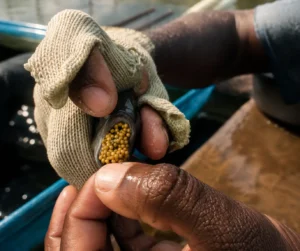
- Hatchery & Incubation Units: Temperature-controlled environments designed for maximum egg hatchability.
- Greenhouse Nursery Systems: Climate-insulated tanks that optimize fingerling survival rates during vulnerable growth stages.
- Water Quality Management Systems: Advanced filtration and continuous monitoring of dissolved oxygen, pH, and temperature.
- Strict Biosecurity Protocols: Zero-tolerance sanitation measures implemented facility-wide to mitigate disease outbreaks.
- Precision Post-Harvest Procedures: Scientific fingerling grading, accurate counting techniques, and stress-free stocking protocols.
- Traceable Record-Keeping: Meticulous data tracking across yearly production, monthly outputs, and regional sales distribution.
Key Observations: What Impressed the Ministry and NARDC
Following the evaluation, the delegation expressed immense satisfaction with our operational frameworks. The officials highlighted several benchmarks that set our fishery apart as a model aquaculture enterprise in Zambia:
- Exemplary Sanitation: Exceptional cleanliness across our core hatchery and greenhouse ecosystems.
- Robust Disease Prevention: Premium biosecurity measures engineered to mitigate biological risks.
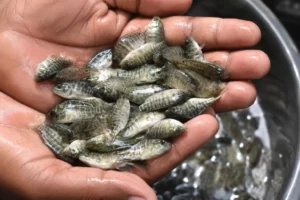
- Product Uniformity: Healthy, active, and uniformly sized fingerlings ready for optimal growth in grow-out ponds.
- Data-Driven Operations: Structured record-keeping that ensures full commercial transparency and production monitoring.
The delegation formally commended our staff for driving growth in the national aquaculture sector, noting that our distribution of high-survival fingerlings directly improves fish yields and food security for farmers across the country.
Strategic Recommendations for Future Growth
To maintain this upward trajectory, the Ministry and NARDC outlined key strategic directives that align with our long-term vision:
- Capacity Expansion: Scale up our fingerling production volume to meet the skyrocketing national demand.
- Technological Adoption: Continuous integration of emerging hatchery technologies and modern aquaculture practices.
- Institutional Collaboration: Strengthen our partnership with the Ministry through frequent data sharing, research alignment, and technical consultation.
The Path Forward for Sustainable Aquaculture
The visit concluded as a resounding success, cementing a strong collaborative relationship between our farm, the Ministry, and NARDC. Officials cited our facility as a premier example of a well-managed fish fingerling production enterprise.
With a follow-up visit from the Ministry already planned, our team remains deeply committed to keeping our production standards high, innovating our workflows, and supplying the top-tier fingerlings Zambian fish farmers need to succeed.